Building & Managing @ Paramount+
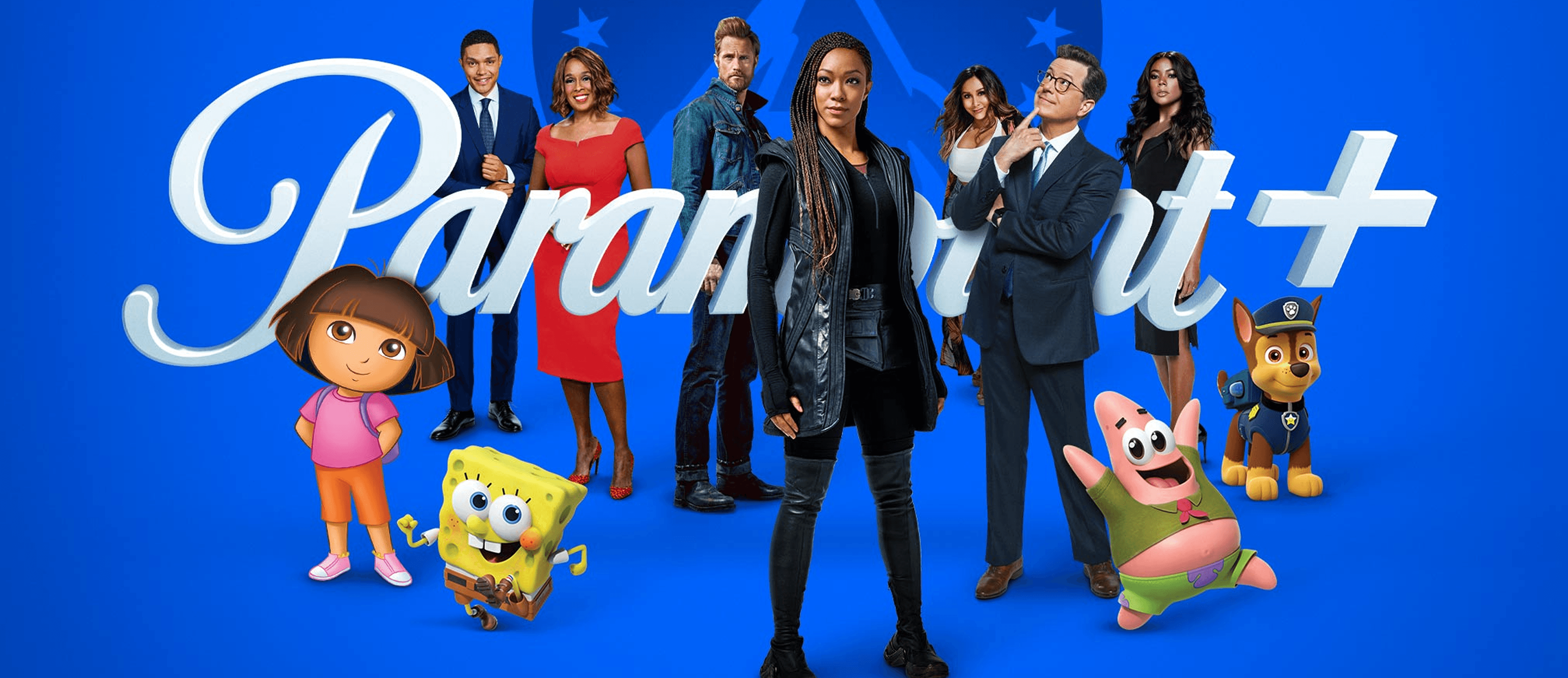
From 2020–2025, Voyager Design System (VDS) grew from a single-designer initiative into a cross-functional practice spanning design, engineering, and product. This along this journey VDS unified fragmented workflows, reduced design debt, increased developer velocity, and established the UI foundation for Paramount+. VDS ultimately powered the modernization of the Paramount+ interface and later the convergence of Paramount+ and Pluto TV, becoming a long-term architectural backbone for both organizations.
Impact
Scaled the design system from a single-designer initiative into a cross-functional practice spanning design, engineering, and product.
Enabled system-wide adoption, reducing cross-team design debt and increasing dev velocity by ~30%. Created a design/dev governance model that supported Paramount+'s scale to more than 75 million global users.
Role
Product Designer → Product Design Manager
Company
Paramount+
Process
Growing beyond IC
1. Establishing Foundations (2020–2021)
• Advocated for and secured org-wide adoption of Figma to replace inconsistent design tooling. Migrated legacy Sketch libraries into a new atomic, multi-platform system in Figma.
• Structured early VDS architecture to support web, mobile, and TV experiences.
• Integrated VDS into all A/B tests, driving higher experimentation velocity and early system adoption.
• Built training, onboarding, and operational guidance to level-up organization-wide system literacy.
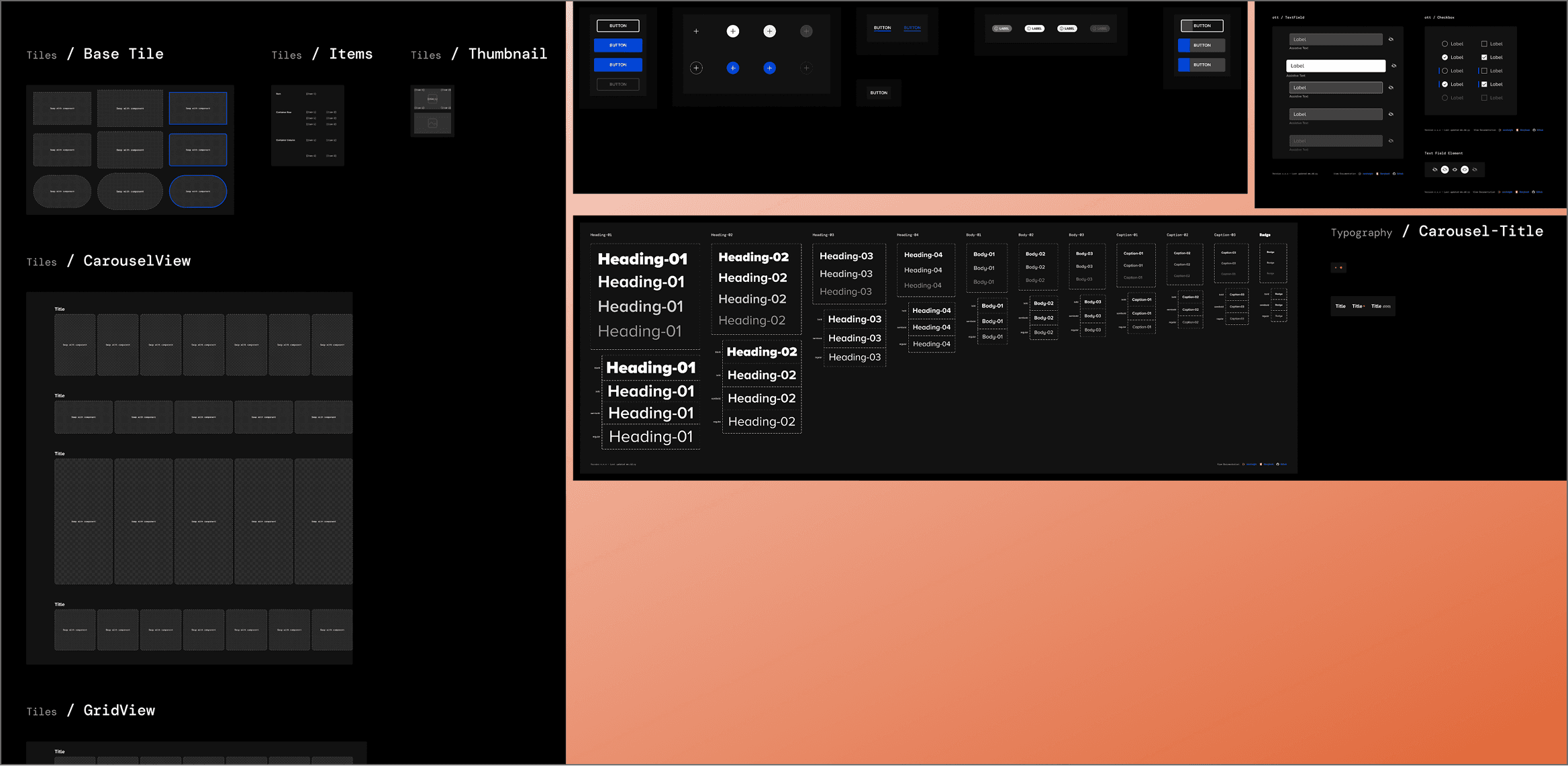
I advocated for wider adoption of Figma and spoke with stakeholders and procurement to sign a Figma Enterprise contract. In addition to the component libraries, I provided training and onboarding docs for design and dev teams to learn the new tool/workflows. This happened during the critical time during 2020 when teams were transitioning to working from home.
2. Cross-Functional Alignment & Evangelism (2021–2022)
• Conducted developer outreach and workflow studies to identify integration gaps and friction points.
• Rebuilt core libraries with Auto Layout, new iconography, branching workflows, and improved templates.
• Launched the VDS documentation site and expanded support to multiple brands (Paramount+ and CBS).
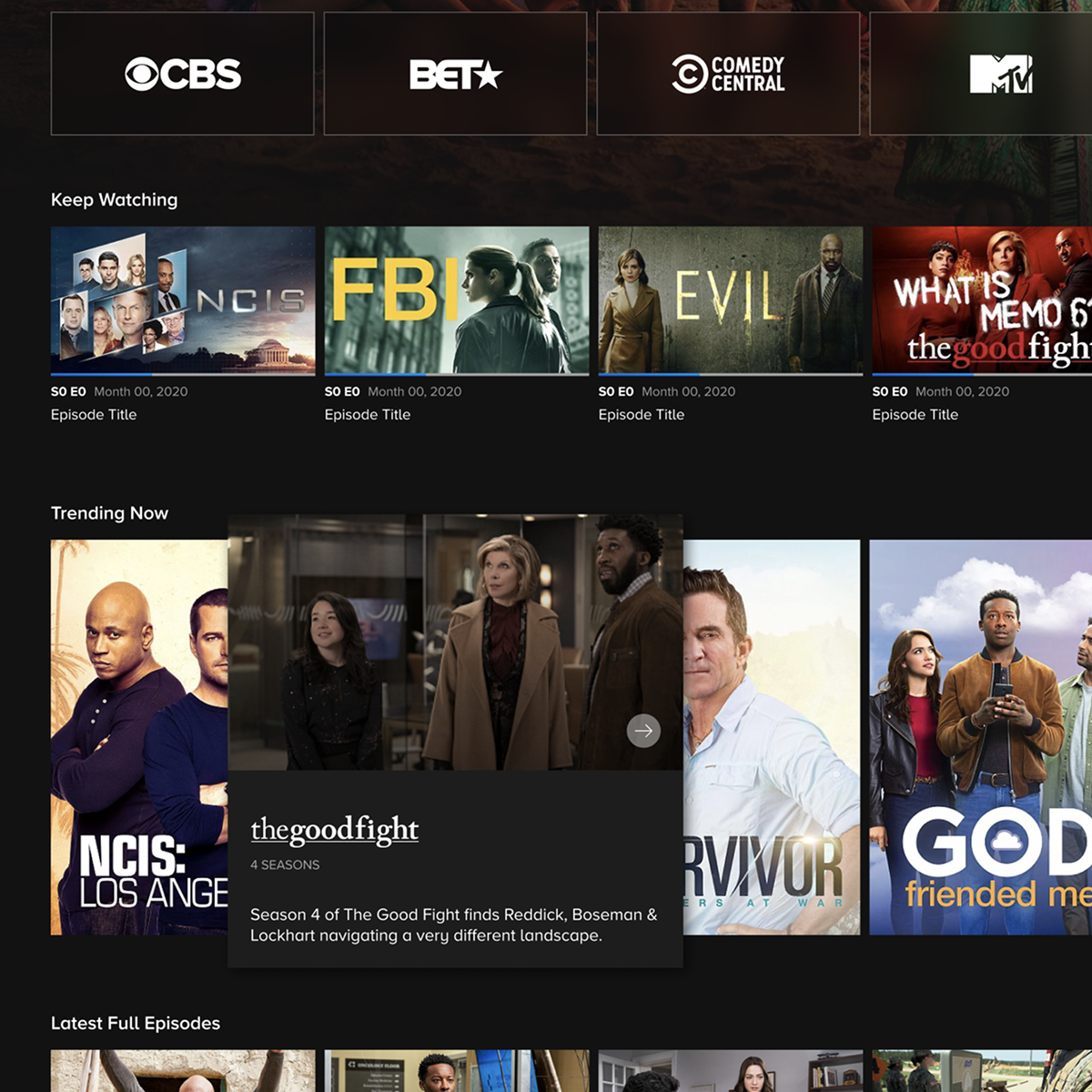
• Leveraged the Paramount+ rebrand to demonstrate the system's strategic value and secure new team capacity.
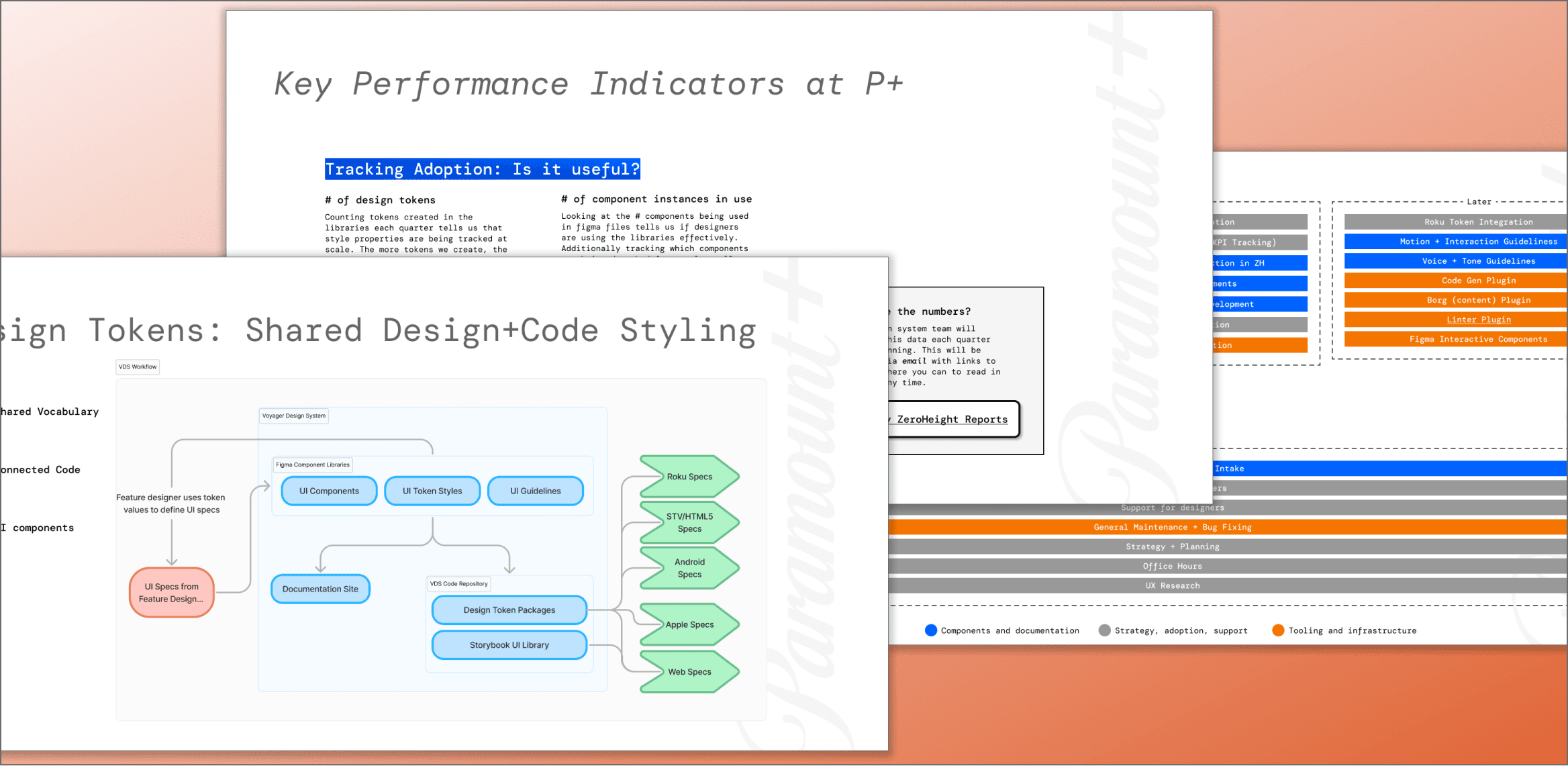
Talking directly to dev and product stakeholders, we proposed a broader purpose and goals for a cross-functional design system team. Using the rebrand of Paramount+ as a catalyst, we defined KPIs, roadmaps, and architecture to drive adoption.
3. Forming and Leading the VDS Team (2022–2023)
• Proposed and formed a dedicated VDS scrum team across design, engineering, product, and program management.
• Hired and managed the system's first design direct report and established repeatable team rituals and workflows.
• Founded the Voyager Governance Council to align decision-making and stabilize system operations.
• Guided the product through a phased UI modernization using the "Strangler Fig Tree" migration model.
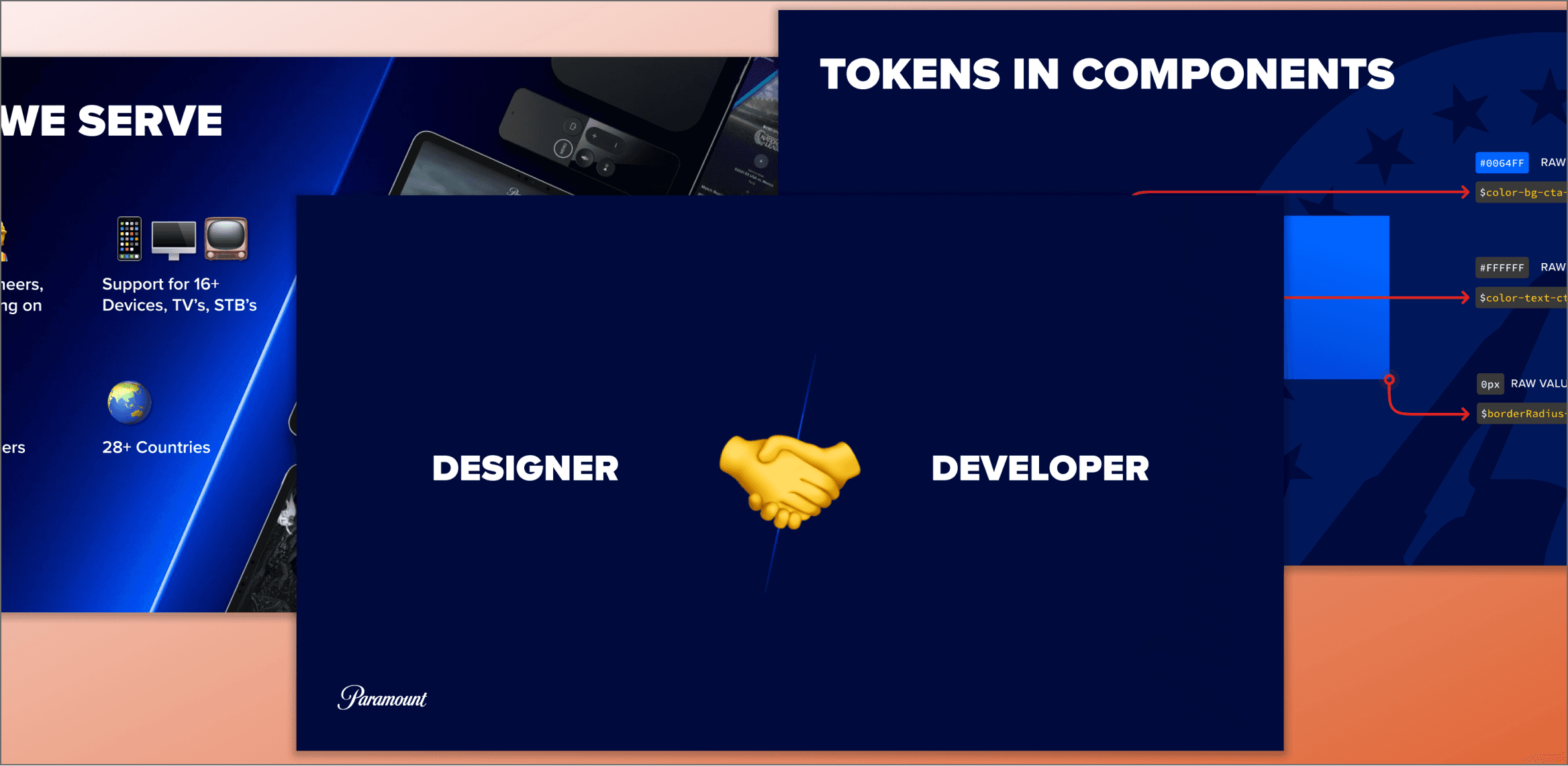
I was tasked with leading a team consisting of designers, developers, program managers, and a product manager. During this time I learned how to balance team workloads, sprints/quarterly planning, and continue advocating for VDS including in company-wide presentations that highlighted our innovative work.
Process
System Builder
4. Scaling System Architecture (2023–2025)
• Introduced design tokens and Style Dictionary pipelines for multi-platform delivery.
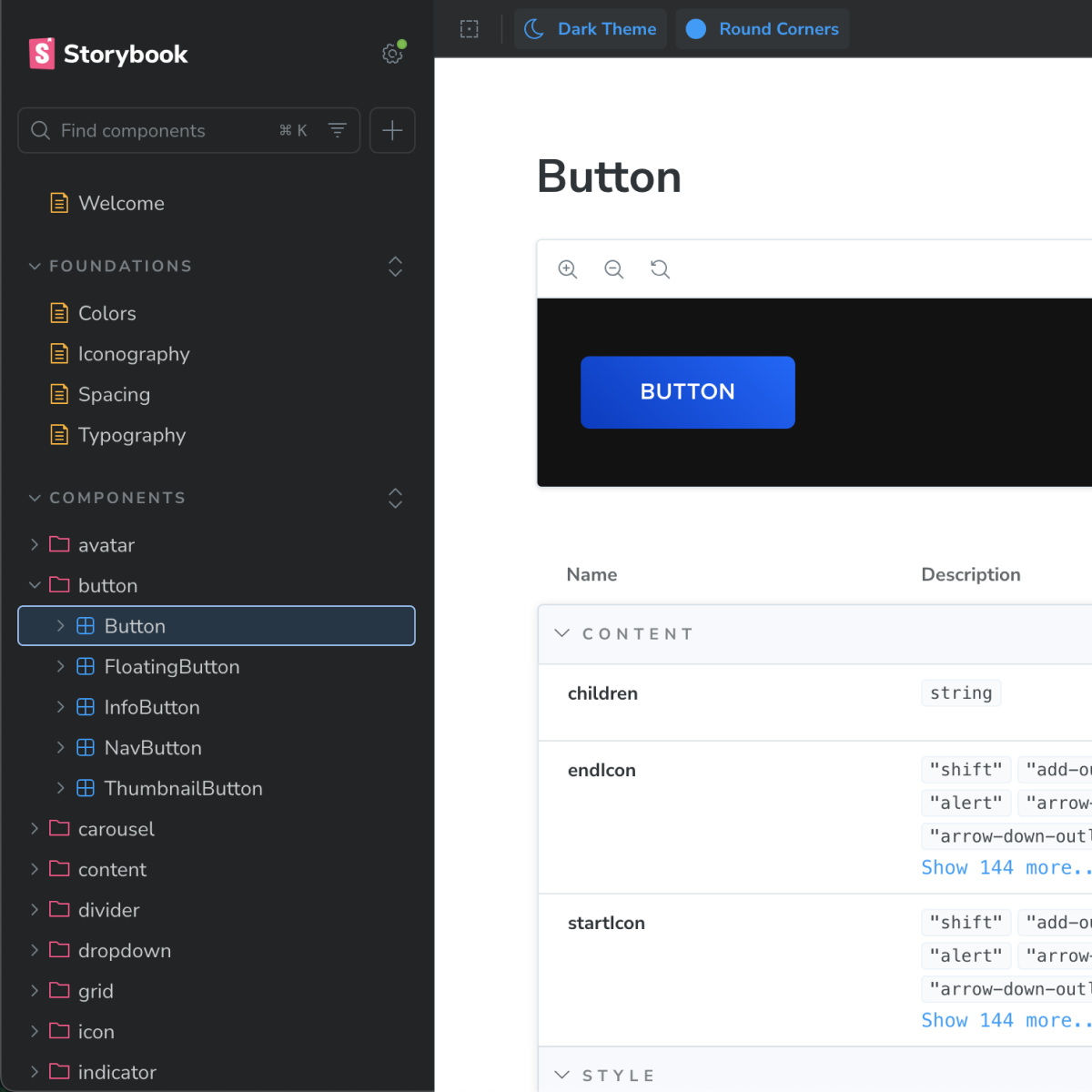
• Built Storybook libraries, platform-specific UI packages, and higher-order pattern libraries.
• Implemented CI/CD pipelines to automate token updates and improve engineering throughput.
• Led system training programs across feature teams to ensure consistent implementation quality.
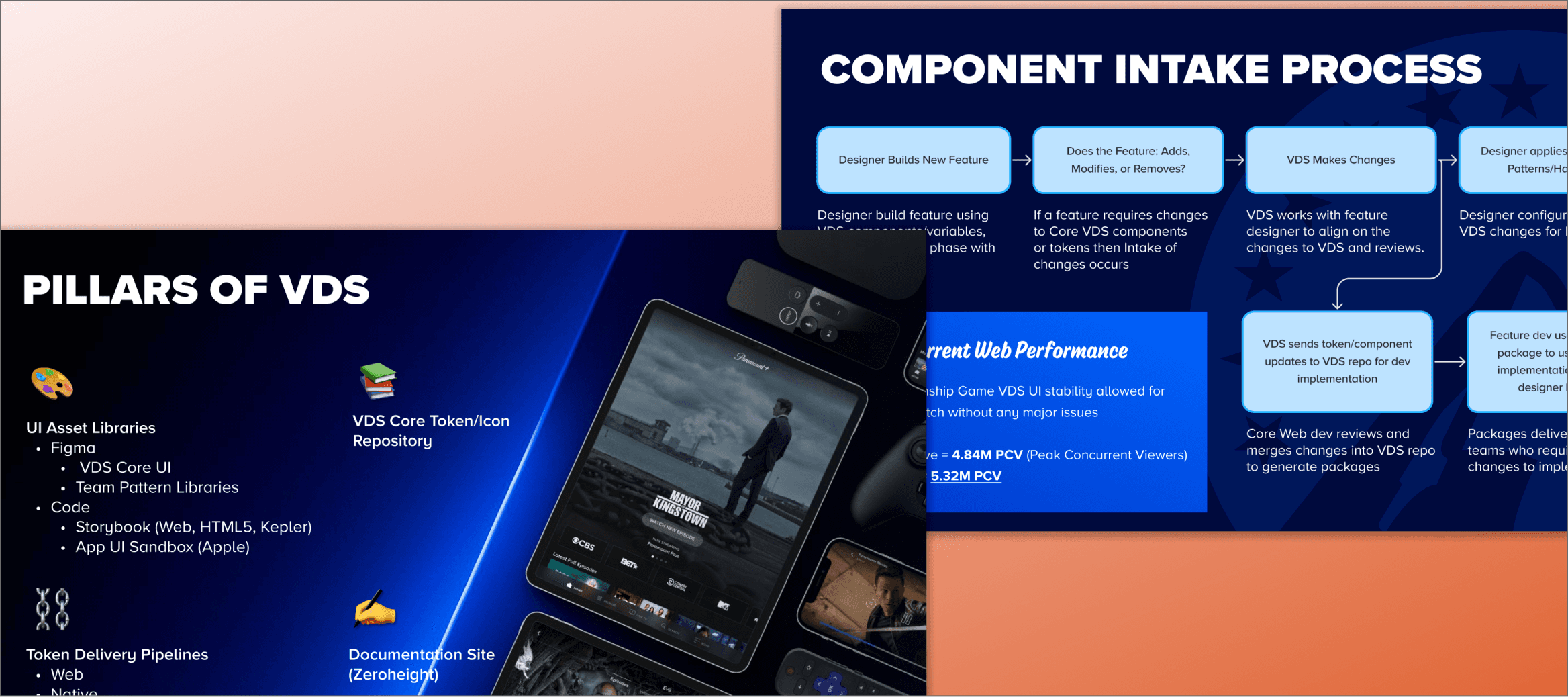
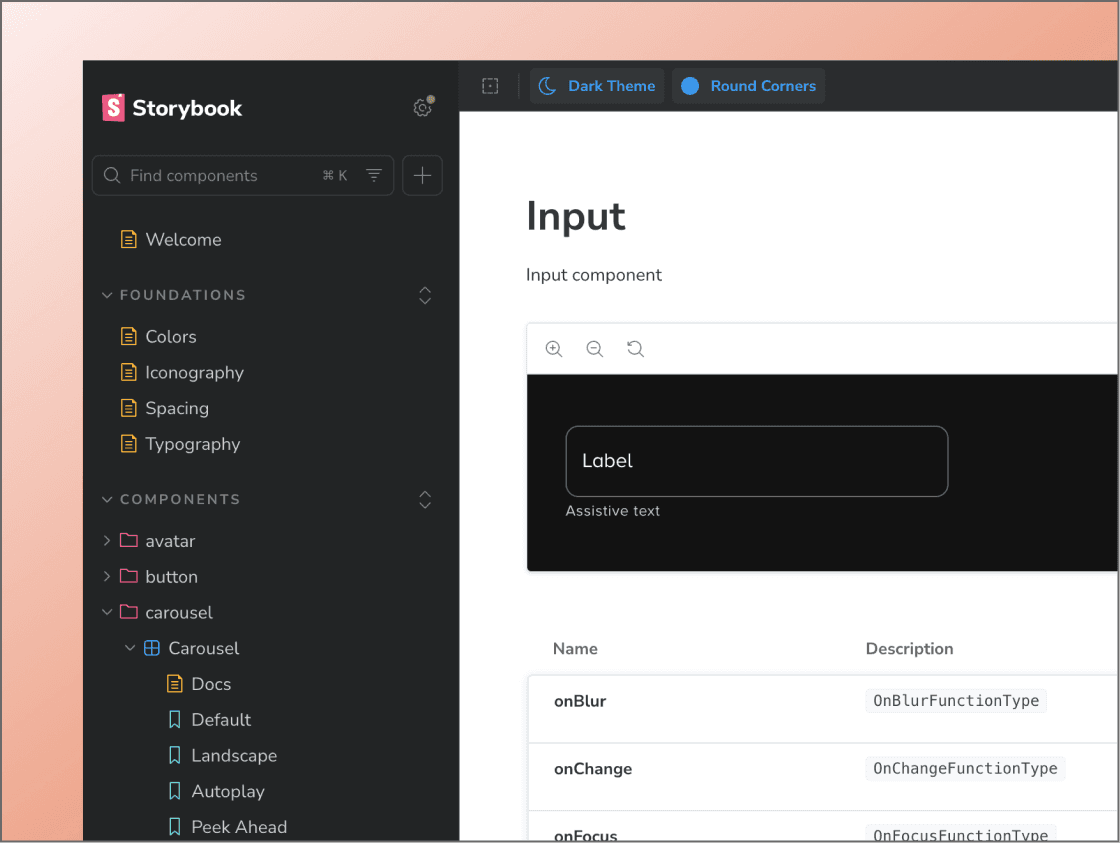
Establishment of Figma-to-code workflows with tools such as Storybook and CI/CD pipelines lead to VDS becoming the system for Paramount Streaming in 2025.
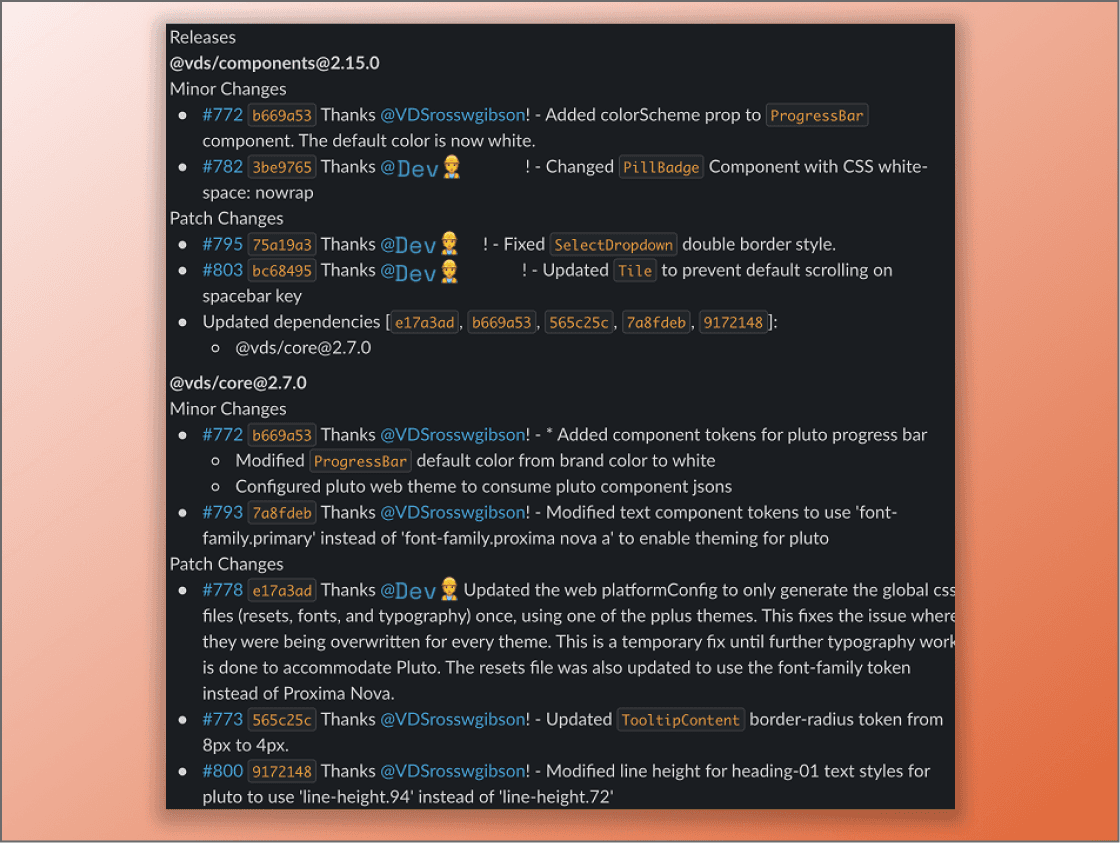
Towards the end of 2025, I was taking on more design engineering tasks and contributing directly to VDS code releases.
Retrospectives
Lessons learned
Of course, there were challenges along the way, as well as inward reflections of the times when things went wrong, not as planned or the outcome was less than ideal. Here are just a few personal takeaways.
Listening really matters
I am passionate about the work, but thats lead me to talk more than I perhaps should earlier in my career. Sitting with silence and learning to listen have taught me to understand different ways people communicate. Take it all in: tone, volume, and word choices.
Different soft skills for IC vs manager
A strong work ethic as an individual contributor doesn't automatically translate to management. I learned that the impact in a leadership role comes from advocating for the team's work and ensuring their contributions were visible, valued, and ultimately adopted across the organization.
Educating is more than half the battle
Documentation creates access, but continuing education builds capability. Ongoing training and reinforcement helped teams grow their system skills and apply VDS more effectively over time.
Culture and Craft: the difference makers
Systemic change succeeds when culture supports iteration and craft. Organizations that commit to long-term vision and continuous improvement create systems that mature and deliver more nuanced user experiences.
Outcome
See the wave, Feel the wave, Ride the wave
Org-wide system adoption across design, product, and engineering teams. Reduced design debt through consistent components, tokens, and multi-platform libraries.
~30% increase in engineering velocity through automation, CI/CD pipelines, and unified UI architecture.
Cross-functional governance model that sustained decision-making across distributed teams.
Infrastructure for scale: enabled Paramount+'s growth to 75M+ global users and the 2025 convergence of Paramount+ and Pluto TV.
Long-term sustainability: created pathways for continuous evolution, including future AI-assisted system tooling.